California, Clarion, Edinboro, Global Online
Fulbright project takes professor back to Madagascar
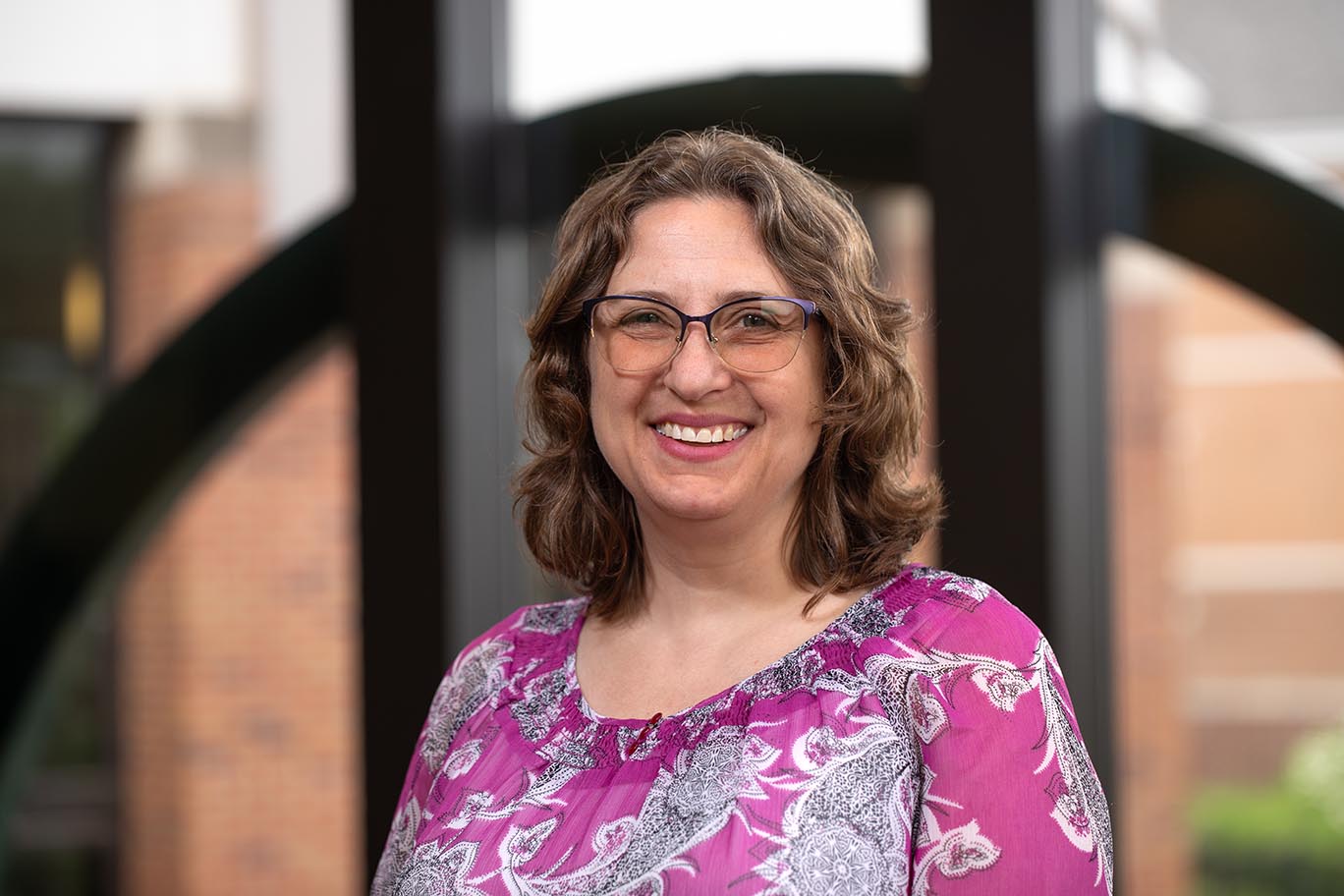
Dr. Summer Arrigo-Nelson, professor of biology, earth and environmental sciences at PennWest University, is spending the 2026–2027 academic year in northern Madagascar, leading a project focused on conservation, student training, and community engagement.
Arrigo-Nelson, a Fulbright U.S. Scholar, is working in the newly protected region of Andrafiamena-Andavakoera. She developed the project with Professors Hanta Rasamimanana of University of Antananarivo’s Ecole Normale Supérieure and Rio Heriniaina of the University of Antsiranana, located near the northern tip of Madagascar.
“The project grew from discussions with my Malagasy colleagues about how to better empower Malagasy scholars to take the lead in shaping research and conservation efforts within their country,” Arrigo-Nelson said.
Working with University of Antsiranana students, Arrigo-Nelson and Heriniaina are developing discussions with villages surrounding the protected areas. Topics include growing medicinal plant gardens, protecting rice harvests from pests, and preventing waterborne infections. They will also listen to residents’ concerns and identify opportunities for further community engagement.
The project also includes a joint University of Antsiranana and Ecole Normale Supérieure field school modeled after study abroad programs Arrigo-Nelson has led for PennWest and its predecessor institution, California University of Pennsylvania. Students and protected area managers will receive training in plant and animal censusing methods and behavioral data collection to build their capacity to monitor changes in biodiversity over time.
Participants will also conduct biodiversity surveys in two regions that have not been systematically assessed. Nine lemur species are found within the Andrafiamena-Andavakoera Reserve. One is listed as critically endangered, and seven are listed as endangered. The surveys will help researchers evaluate the effects of conservation efforts and gain a broader understanding of the area’s ecological health.
Arrigo-Nelson also is leading workshops to help Malagasy students and researchers prepare manuscripts for publication in English-language journals.
The project builds upon more than two decades of her work in Madagascar. Arrigo-Nelson earned as decision-makers and changemakers in their country’s conservation efforts.” her doctorate in biological anthropology from Stony Brook University in 2006 after studying how habitat disturbance affected Milne-Edwards’ sifakas in Ranomafana National Park, located in Madagascar’s southeastern rainforest.
“I have learned that developing relationships and mutual understanding is an integral part of creating environmental change that can persist after I leave,” she said.
For Arrigo-Nelson, the project marks the beginning of a new chapter in her work.
“I see this project as setting up the second half of my academic career,” she said. “It will provide me with many years of opportunities to mentor Malagasy students and researchers and help them establish themselves."